CONDITIONS
Hip Dysplasia
HIP DYSPLASIA
Overview
Hip dysplasia is a developmental condition affecting the hip joint, where poor alignment leads to instability, cartilage wear, and eventually arthritis. Young dogs may show intermittent lameness, with surgical options considered based on age and suitability, while older dogs often develop chronic pain and stiffness due to secondary joint disease. Common in large breeds, the condition is influenced by genetics, rapid growth, and excessive exercise.
How we at BARC treat this condition
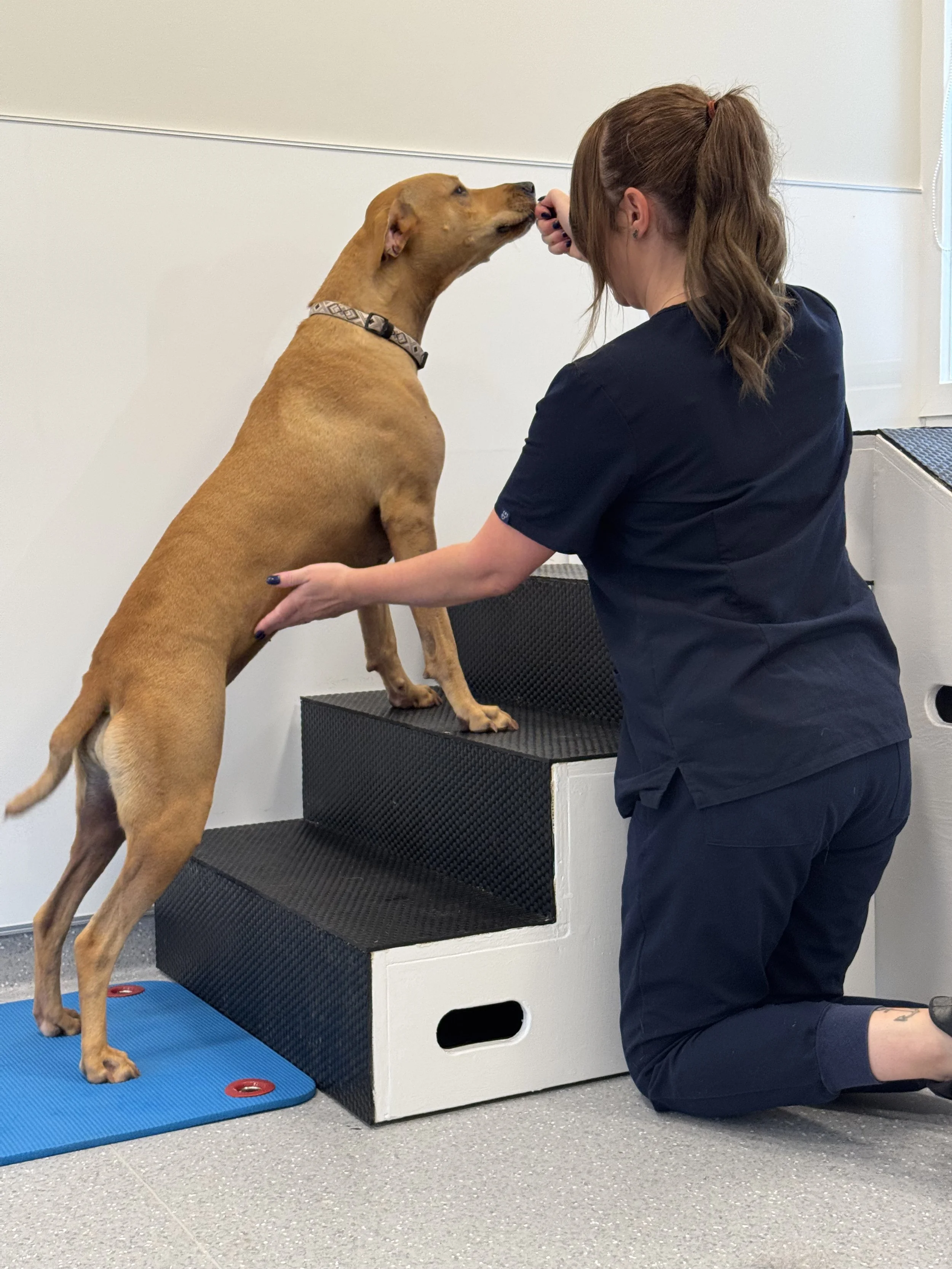
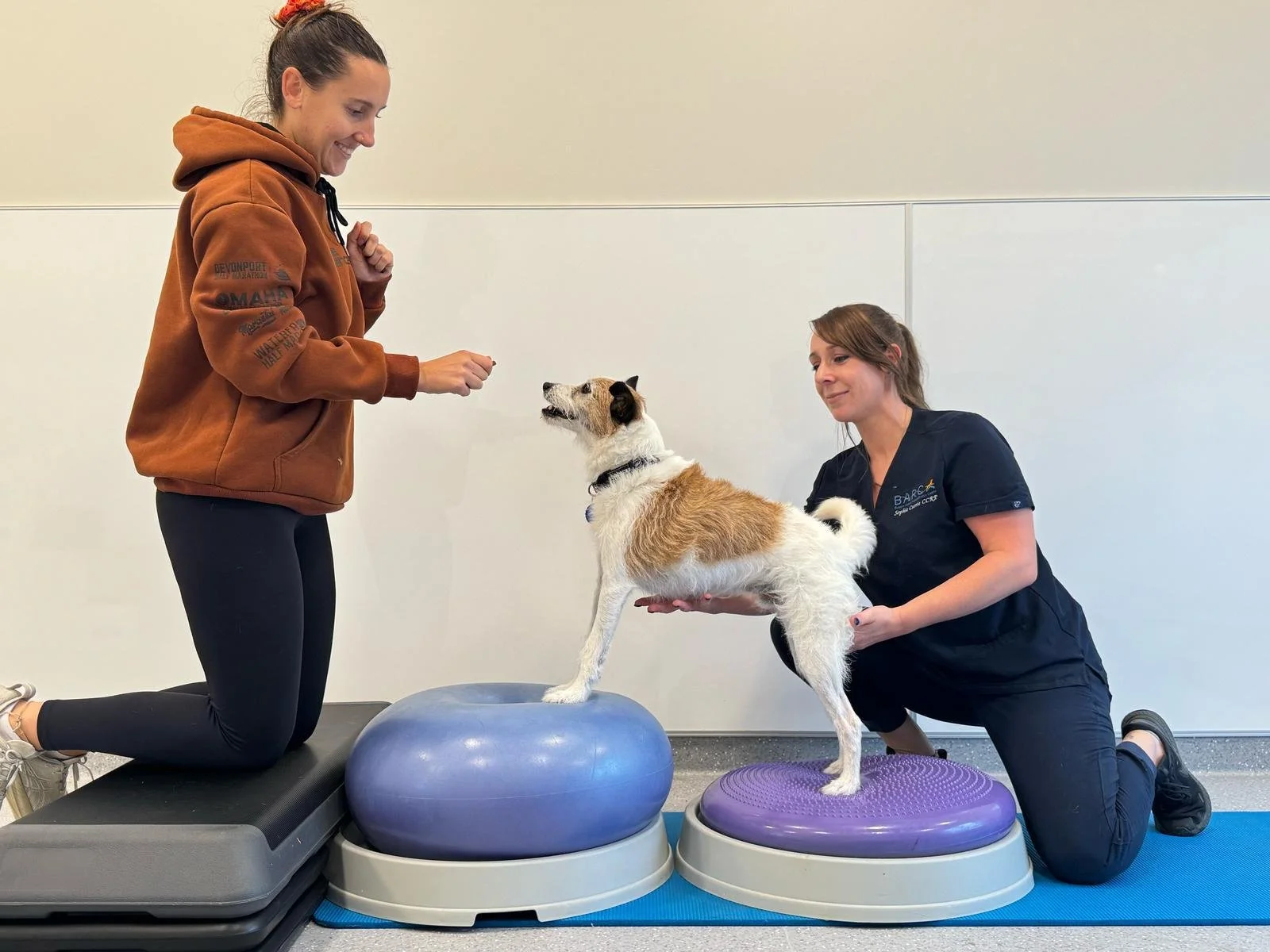
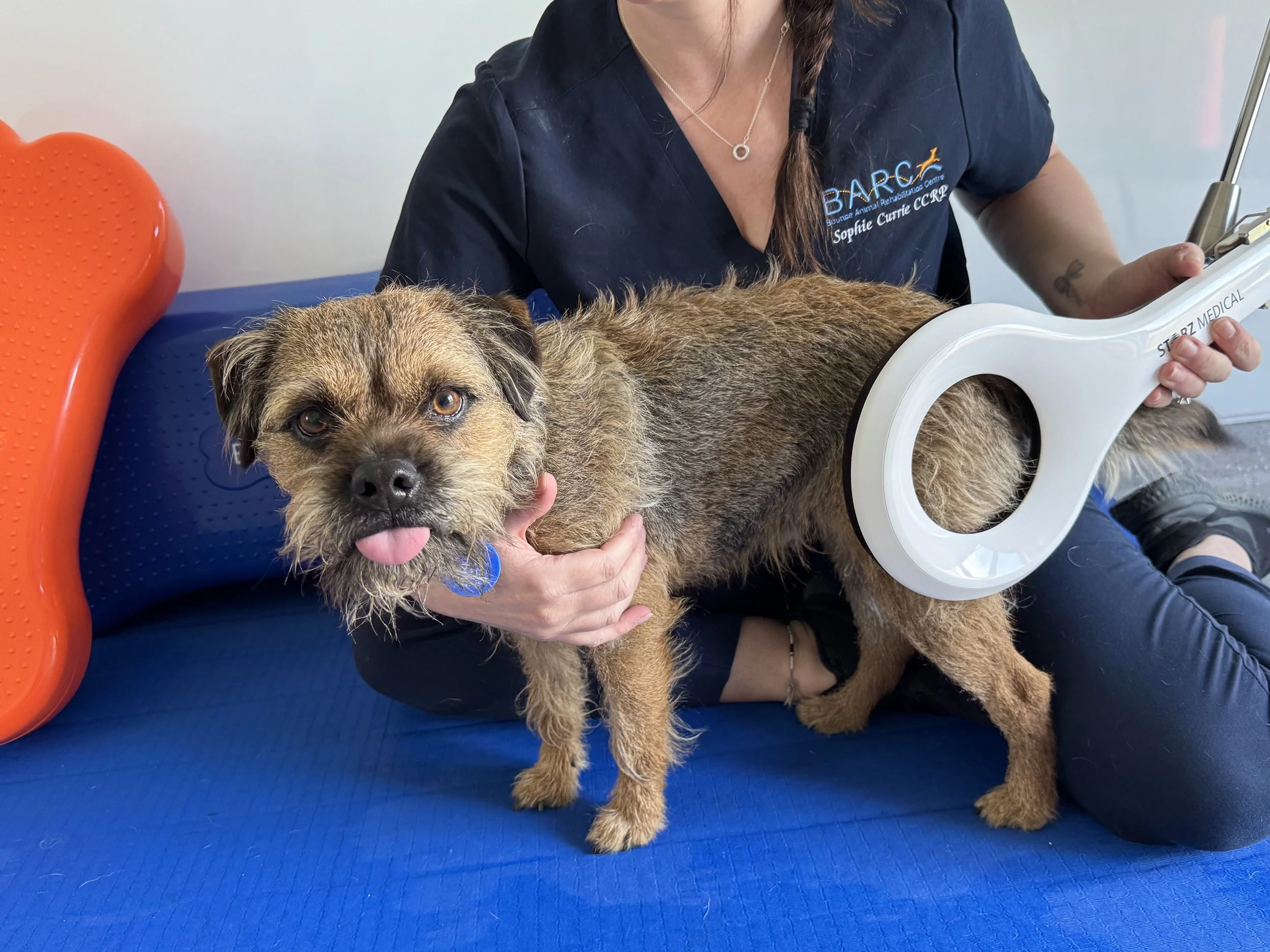
Rehabilitation focuses on improving mobility, reducing pain, and strengthening supporting muscles. Low-impact exercises like hydrotherapy and targeted strengthening exercises enhance joint stability, while therapeutic modalities such as extracorporeal shockwave (sound wave) therapy, level 4 laser therapy, ultrasound, and manual therapies aid in pain relief and may improve joint health. Long-term management includes weight control, a structured therapeutic exercise plan, pain management, and lifestyle adjustments to minimize joint strain and slow disease progression. A well-designed rehab program integrating these strategies may improve mobility, reduce discomfort, and enhance overall quality of life.