CONDITIONS
Elbow Dysplasia
ELBOW DYSPLASIA
Overview
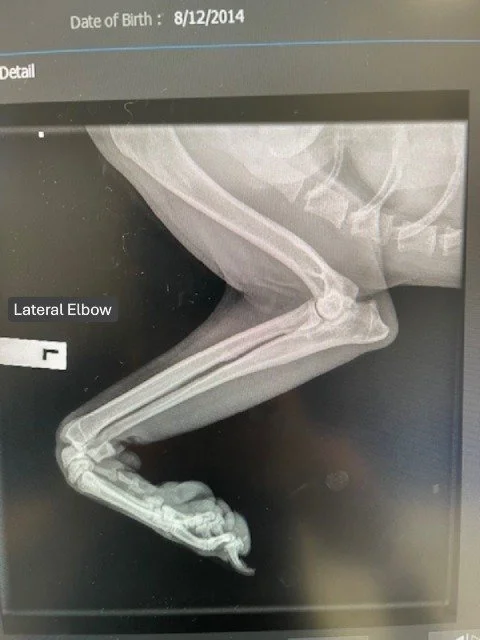
Elbow dysplasia is an umbrella term for developmental conditions affecting the elbow joint, commonly seen in large-breed dogs. It leads to pain, lameness, and arthritis, often presenting as intermittent lameness in young dogs, while in older patients, progressive joint disease results in chronic stiffness and discomfort.
The condition may involve fragmented coronoid process (FCP), osteochondritis dissecans (OCD), ununited anconeal process (UAP), or elbow incongruity. Surgical options may be considered depending on age and suitability, but many cases are not surgical candidates, making long-term management the primary approach.
How we at BARC treat this condition
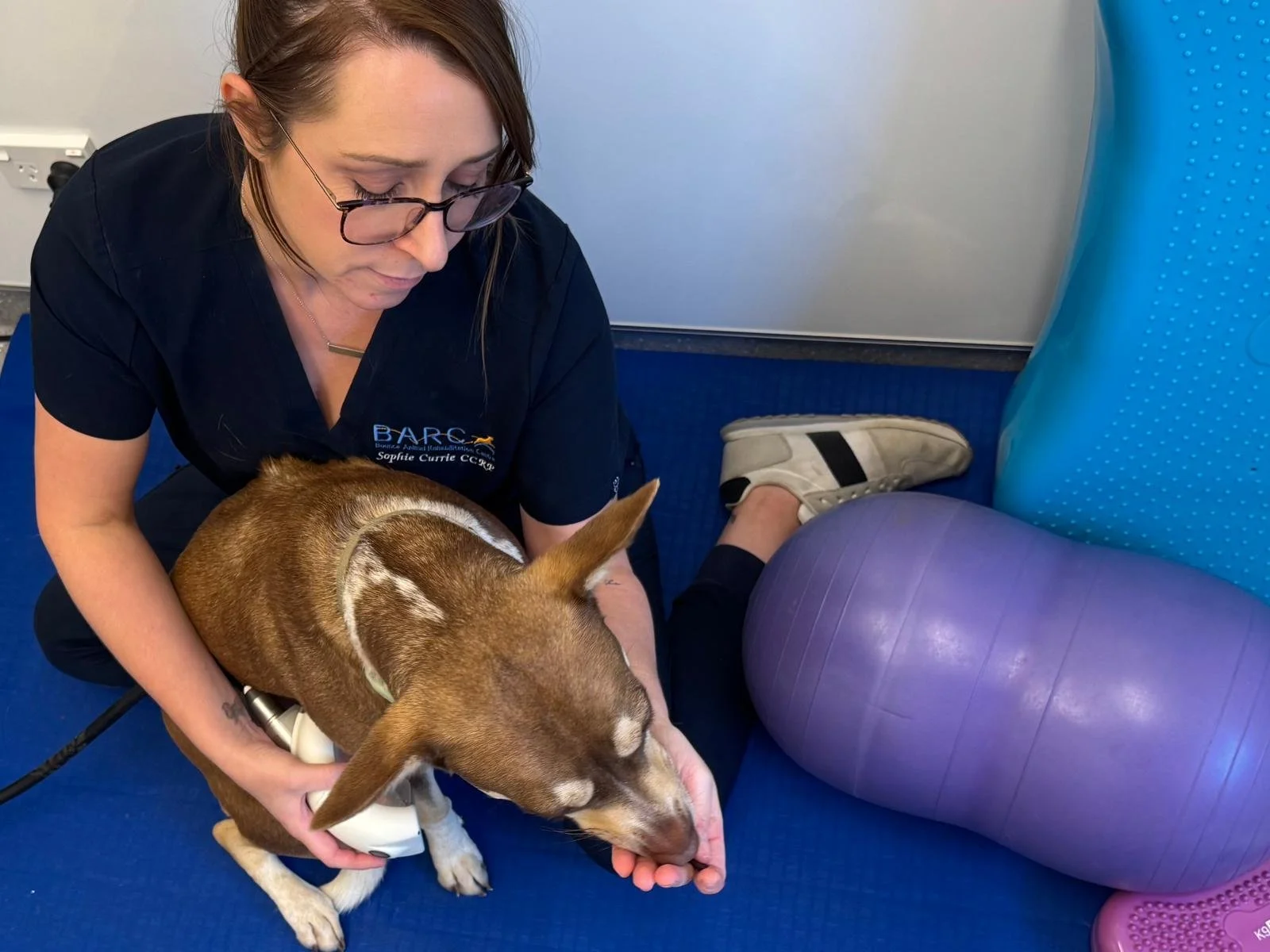
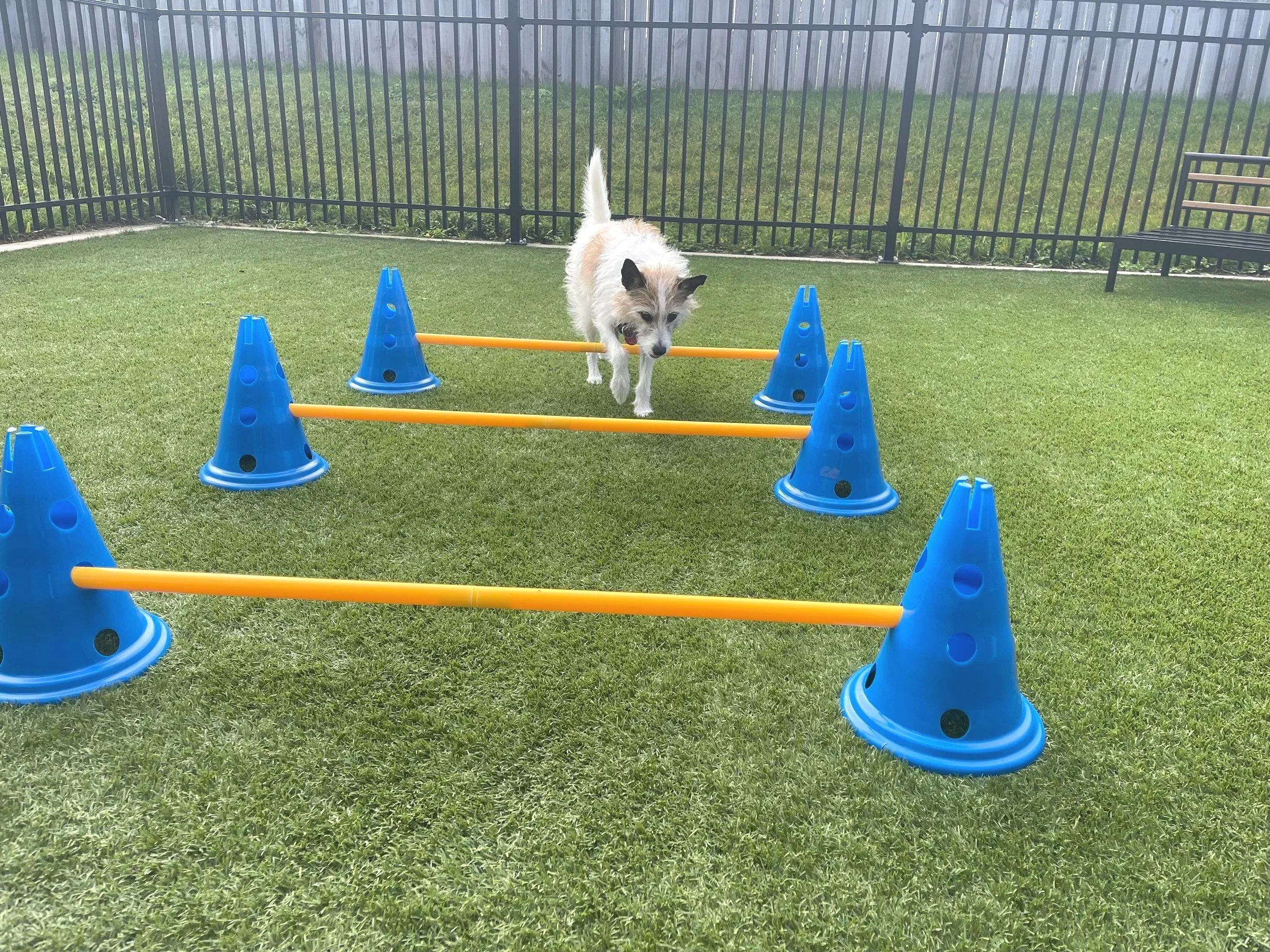
Rehabilitation plays a crucial role in improving mobility, reducing pain, and strengthening muscles to support the joint. Hydrotherapy is particularly useful for elbow dysplasia, offering low-impact exercise that improves joint function and muscle strength while minimising stress on the affected area. Strengthening and conditioning exercises help maintain joint stability and flexibility, while therapeutic modalities such as EMTT, extracorporeal shockwave (soundwave) therapy, level 4 laser therapy, ultrasound, and manual therapies may reduce inflammation, promote healing, and slow disease progression. Long-term joint health and patient comfort can be optimised through a tailored plan that incorporates therapeutic modalities, lifestyle changes, and a customized exercise plan. A well-structured rehabilitation program, integrating these strategies, can help to enhance mobility, alleviate pain, and improve the overall quality of life for patients with elbow dysplasia.